
Action Areas
The key domains where we develop educational resources for understanding building sensor technology and IoT-based property monitoring.
Environmental Monitoring Technology
Understanding how sensors measure and track environmental conditions within buildings forms a foundational knowledge area. We cover temperature sensors, humidity monitoring, air quality detection, and light level measurement.
Our educational content explains sensor types, placement considerations, measurement accuracy, data collection intervals, and how environmental data connects to property management decisions. This includes understanding calibration, maintenance requirements, and interpreting sensor readings.
Real estate professionals learn how continuous environmental monitoring supports energy efficiency, occupant comfort, and preventive maintenance strategies.
IoT Network Infrastructure
Connected devices require communication infrastructure. We educate about wireless protocols, network architectures, data transmission methods, and cloud platforms that enable IoT systems to function.
This area covers how devices connect to networks, how data flows from sensors to central systems, security considerations in IoT networks, and the role of gateways and hubs in building monitoring systems.
Understanding infrastructure helps professionals evaluate system requirements, plan implementations, and troubleshoot connectivity issues in their properties.
Data Analysis and Interpretation
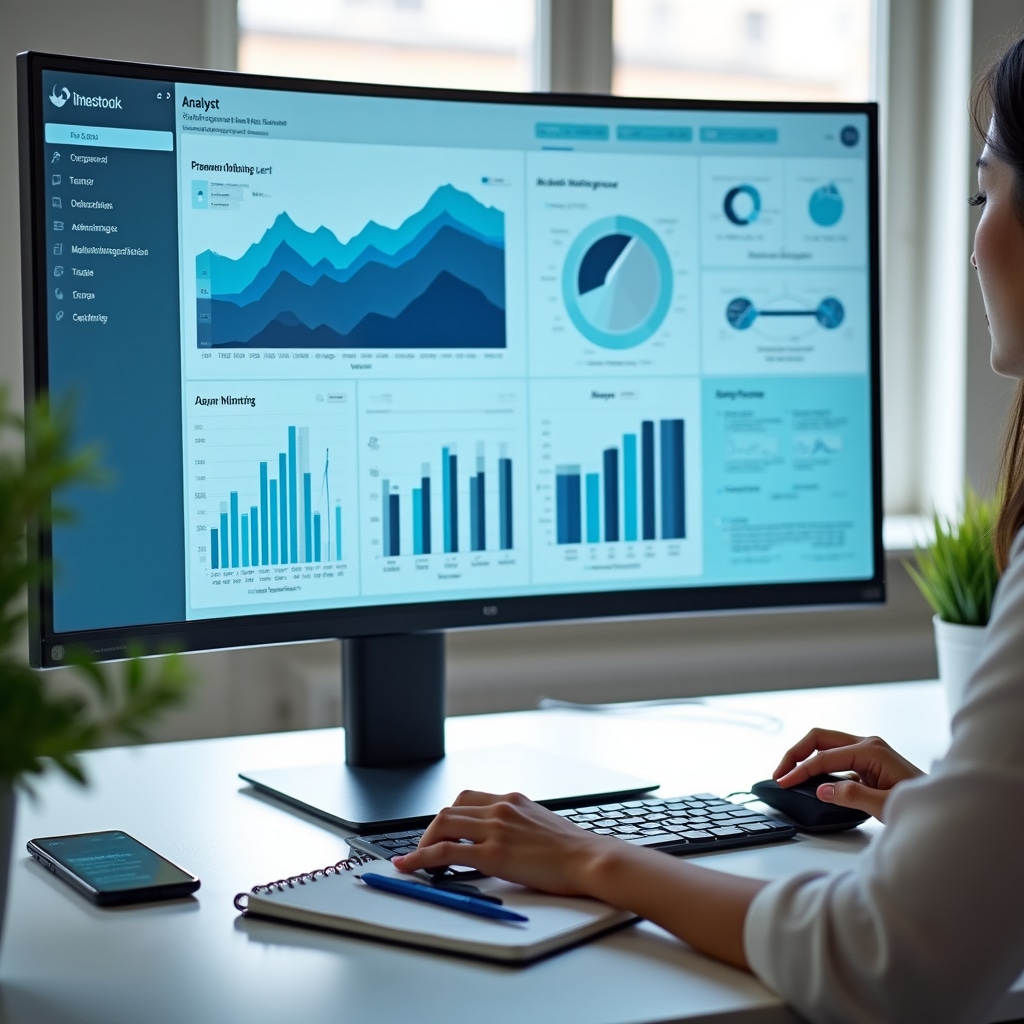
Collecting data provides value only when that data becomes actionable information. We teach how to read sensor data, identify patterns, recognize anomalies, and translate measurements into management insights.
Educational resources cover data visualization, threshold setting, alert configuration, trend analysis, and connecting data patterns to physical conditions in buildings. Professionals learn to move from raw numbers to informed decisions.
This includes understanding when data indicates normal operation versus when it signals issues requiring attention or intervention.
Specialized Application Areas
Beyond foundational technology, we address specific applications relevant to property management contexts.
Water and Leak Detection
How moisture sensors, flow meters, and leak detection systems work. Understanding placement strategies, alert mechanisms, and integration with shutoff valves for damage prevention.
Energy Monitoring
Tracking electricity consumption, identifying usage patterns, understanding peak demand, and how monitoring connects to efficiency improvements and cost management.
Security Integration
How access control, motion detection, and surveillance systems integrate with broader building monitoring platforms. Understanding event correlation and security automation.
HVAC Optimization
Using sensor data to optimize heating, ventilation, and air conditioning systems. Understanding occupancy-based control, zone management, and energy-efficient operation strategies.
Occupancy Monitoring
How occupancy sensors work, privacy considerations, using occupancy data for space utilization analysis, and optimizing building operations based on actual usage patterns.
Predictive Maintenance
Using continuous monitoring data to predict equipment issues before failures occur. Understanding maintenance scheduling based on actual conditions rather than fixed intervals.
Implementation and Integration
Understanding technology differs from implementing it. We provide education on practical deployment considerations: assessing property readiness, planning phased implementations, integrating with existing systems, and managing ongoing operations.
This includes vendor evaluation criteria, understanding installation requirements, budgeting considerations, training needs for property staff, and establishing operational procedures for monitoring systems.
Professionals learn to bridge the gap between technology understanding and real-world application in their specific property contexts.
Regulatory and Standards Context
Technology implementation occurs within regulatory frameworks. We educate about relevant Argentine building codes, data privacy regulations, electrical standards, and industry best practices that shape how monitoring systems deploy.
Understanding compliance requirements, documentation needs, inspection processes, and how technology choices connect to regulatory obligations helps professionals implement systems correctly and avoid issues.
This contextual knowledge ensures technology implementations align with legal and regulatory requirements specific to Argentine property contexts.
Comprehensive Technology Education
These action areas combine to create comprehensive understanding of how sensor technology and IoT systems apply to property monitoring and management. Our educational approach ensures professionals can navigate this technology landscape with confidence.